
Dried Pineapple: Organic Slices, Candied Rings & More
Few fruits change character as dramatically as pineapple. Fresh, it is juicy, bright, and sharply tropical; dried, it becomes richer, chewier, and more concentrated, while candied pineapple rings offer a sweeter, more decorative expression of the same fruit.
Dried pineapple is made by removing most of the moisture from fresh pineapple, creating a convenient format with intense tropical flavour and a pleasantly chewy texture. It can be enjoyed on its own, paired with nuts and cheese, used in baking, added to snack boards, or served as part of festive entertaining.
This guide follows pineapple from plant to pantry. You’ll learn where pineapples come from, how the fruit grows, which varieties are commonly enjoyed, how drying changes its flavour and texture, and why pineapple works in both sweet and savoury dishes. It also explores everyday uses, pairings, burgers, desserts, mocktails, and entertaining.
What Is a Pineapple?
A pineapple is a tropical fruit known for its golden flesh, spiky crown, textured skin, and balance of sweetness and gentle acidity. Unlike tree fruits, it grows close to the ground on a flowering plant. Many small flowers fuse as the fruit develops, creating the pineapple’s distinctive patterned exterior.
Fresh pineapple is enjoyed on its own and in desserts, drinks, grilled dishes, and savoury cooking. It is also the starting point for dried pineapple, which offers the same recognizable tropical character in a more concentrated, pantry-friendly form.
Where Do Pineapples Come From?
Pineapples originated in tropical South America before spreading through trade and exploration. Today, they are grown across warm regions of Central and South America, Southeast Asia, Africa, and the Pacific.
Although closely associated with Hawaii in popular culture, pineapple is now a global fruit. Modern agriculture and transportation have made it widely available fresh, while drying allows its tropical flavour to be enjoyed beyond the harvest season.
A Fruit That Traveled the World
Pineapple's global popularity extends well beyond its tropical origins. Its vibrant appearance, fragrant aroma, and balanced flavour have made it a favourite ingredient across many culinary traditions.
Today, pineapple appears in a wide range of foods and beverages, including:
- Fresh fruit platters
- Baked desserts
- Cakes and pastries
- Grilled savoury dishes
- Tropical drinks and mocktails
- Premium dried fruit selections
- Entertaining and gifting assortments
As pineapple travelled across continents, it adapted to different cuisines while retaining its unmistakable tropical character. This versatility continues to make it equally at home in casual snacks and elegant entertaining.
Why Is Pineapple a Symbol of Hospitality?
Few fruits carry as much cultural symbolism as the pineapple. For centuries, it has represented hospitality, generosity, and celebration.
Historically, pineapples were considered rare and highly prized in many parts of the world. Displaying one at a gathering signalled that guests were especially welcome, and over time the fruit became associated with warmth, abundance, and gracious hosting. Decorative pineapples still appear in architecture, table settings, and home décor as enduring symbols of hospitality.
That tradition continues today in a more culinary form. Whether arranged on a charcuterie board, featured in a dessert spread, or presented as part of a thoughtfully curated food gift, pineapple naturally evokes occasions centred around sharing food and bringing people together.
Its dried formats extend that sense of hospitality even further. Because dried pineapple is easy to serve, store, and enjoy, it has become a popular addition to snack boards, entertaining platters, and premium gift collections throughout the year.
Rather than belonging to a single cuisine or occasion, pineapple has become a truly global ingredient—one that connects tropical agriculture with everyday cooking, festive celebrations, and memorable food experiences.
How Does a Pineapple Plant Grow?
A pineapple grows on a low-growing tropical plant rather than on a tree. The plant belongs to the bromeliad family and produces a single fruit from the centre of a rosette of long, sturdy leaves. Its unusual growing habit is one of the many characteristics that sets pineapple apart from other familiar fruits.
From Crown to Fruit
The leafy crown at the top of a pineapple is more than its signature feature—it's an important part of the plant. Under suitable growing conditions, the crown can be planted to produce a new pineapple plant, although growing a mature fruit requires considerable time and patience.
As the plant matures, a flowering stalk emerges from its centre. Numerous small flowers develop along this stalk, eventually merging into one composite fruit. This natural process creates the pineapple's distinctive patterned exterior and juicy interior.
The Role of Roots and Leaves
Pineapple plants develop relatively shallow root systems that absorb moisture and nutrients from well-drained soil. Their long, waxy leaves are adapted to warm tropical environments, helping the plant conserve moisture while thriving in sunny conditions.
Healthy pineapple plants generally prefer:
- Warm temperatures
- Plenty of sunlight
- Good air circulation
- Well-drained soil
- Consistent, moderate moisture
These growing conditions support the gradual development of fruit while allowing the plant to flourish in tropical and subtropical climates.
A Patient Growing Process
Unlike many fruits that produce multiple harvests each season, a pineapple plant typically develops one fruit at a time. From planting to harvest, the process can take well over a year, reflecting the careful cultivation required to produce a ripe, flavourful pineapple.
Once harvested, fresh pineapple can be enjoyed immediately or transformed into other formats, including dried pineapple. Removing moisture preserves much of the fruit's vibrant tropical character while creating a different texture and eating experience.
What Are the Different Types of Pineapple?
Not all pineapples are the same. While they share the familiar tropical sweetness that makes the fruit so recognizable, different pineapple varieties vary in size, colour, aroma, texture, and acidity. These subtle differences influence how they're enjoyed fresh and which varieties are best suited for products such as dried pineapple.
For most shoppers, pineapple is simply "pineapple." Behind the scenes, however, growers cultivate several well-known varieties, each valued for particular flavour characteristics and growing conditions.
Common Pineapple Varieties
Among the best-known pineapple varieties are:
- MD-2 – Widely grown for its consistent sweetness, golden colour, and juicy texture, MD-2 has become one of the most common fresh pineapples found in grocery stores around the world.
- Smooth Cayenne – A long-established commercial variety known for its balanced sweet-tart flavour and generous size. It has historically been used for both fresh consumption and food processing.
- Queen – Typically smaller than other varieties, Queen pineapples are appreciated for their fragrant aroma, crisp texture, and naturally sweet flavour.
- Red Spanish – Recognized for its firmer flesh and slightly more robust flavour, this variety is cultivated in several tropical regions.
-
Sugarloaf – Valued for its exceptionally sweet taste and lower perceived acidity, Sugarloaf has gained popularity in specialty markets where available.
Although most consumers won't encounter every variety, each contributes to the rich diversity of pineapple enjoyed around the world.
Why Do Pineapple Varieties Taste Different?
A pineapple’s flavour depends on its variety, growing conditions, harvest timing, and ripeness. Some taste brighter and more tart, while others are sweeter and more delicate.
Which Pineapples Are Best for Drying?
Pineapples selected for drying are generally chosen for flavour, texture, ripeness, and overall quality. Because water is removed during drying, the character of the original fruit becomes more noticeable in the finished product.
Different producers may use different varieties and preparation methods. The result may be presented as slices, rings, or smaller pieces, with each format offering a distinct texture and serving style.
How Does Fresh Pineapple Become Dried Pineapple?
Dried pineapple begins with fresh, ripe pineapple that is carefully prepared before most of its moisture is removed. This simple transformation changes the fruit's texture while concentrating its naturally vibrant tropical flavour, creating a convenient ingredient that can be enjoyed in many different ways.
Although drying techniques vary, the goal remains the same: preserve the character of the pineapple while reducing its water content. The result is a fruit that is easy to store, convenient to enjoy, and well suited to everything from everyday snacking to entertaining.
Removing Moisture While Preserving Flavour
Fresh pineapple contains a high percentage of water, giving it its juicy bite. During the drying process, much of this moisture is gradually removed.
As water leaves the fruit, its flavours become more concentrated. Notes of tropical sweetness, gentle tartness, and fragrant pineapple aroma become more pronounced, while the texture changes from juicy and crisp to pleasantly chewy.
Rather than creating an entirely different food, drying offers another way to experience the same fruit. The unmistakable character of pineapple remains at the centre of the eating experience, simply expressed in a different form.
How Drying Changes Texture
One of the most noticeable differences between fresh and dried pineapple is texture.
Fresh pineapple is soft, juicy, and refreshing. Dried pineapple develops a firmer, chewier bite that many people enjoy as a satisfying snack or as part of a larger food spread.
The exact texture depends on factors such as the thickness of each slice and the drying method used, which is why different dried pineapple products can offer slightly different eating experiences.
Common Forms of Dried Pineapple
Dried pineapple is available in several formats, each suited to different occasions and presentations. Common examples include:
- Dried pineapple slices, which are easy to enjoy on their own or incorporate into baking and entertaining.
- Dried pineapple rings, offering an eye-catching shape that works particularly well on snack boards, dessert platters, and decorative presentations.
- Smaller pineapple pieces or chunks, often enjoyed as convenient snacks or mixed with nuts and other dried fruits.
Although the format changes, each begins with the same tropical fruit and delivers the concentrated flavour that makes dried pineapple distinctive.
Want to explore the process and formats in more detail? Our guide to drying pineapple explains how fresh pineapple is prepared and transformed through moisture removal. You can also explore our guide to pineapple slices for ideas on using fresh and dried slices in breakfast bowls, savoury dishes, snacking, cooking, and entertaining.
Two Common Pineapple Styles
Within the wider dried pineapple category, organic dried pineapple offers a fruit-forward experience, while candied pineapple rings provide a sweeter format. Their differences are explored in the dedicated comparison section below.
What Does Dried Pineapple Taste Like?
Dried pineapple has a bright tropical sweetness, gentle tartness, fragrant aroma, and a pleasantly chewy bite. Its flavour is fuller and more concentrated than fresh pineapple because much of the fruit’s water has been removed.
Flavour and Finish
A good piece of dried pineapple should still taste clearly of pineapple, with sweetness balanced by enough acidity to keep it lively. The flavour often lingers as the fruit is chewed, making even a small piece feel expressive.
Texture
Texture varies by slice thickness and preparation. Some pieces are tender and flexible, while others have a firmer chew. Organic dried pineapple is usually chosen for a more fruit-forward experience, while candied pineapple rings are typically sweeter and more confection-like.

Organic Dried Pineapple vs. Candied Pineapple Rings
Organic dried pineapple and candied pineapple rings begin with the same tropical fruit but offer different flavour, texture, and presentation.
Organic Dried Pineapple
Organic dried pineapple keeps the focus on the fruit itself. Organic dried pineapple offers a fruit-forward flavour and chewy texture, making it well suited to snacking, baking, and pairing with nuts or cheese.
Candied Pineapple Rings
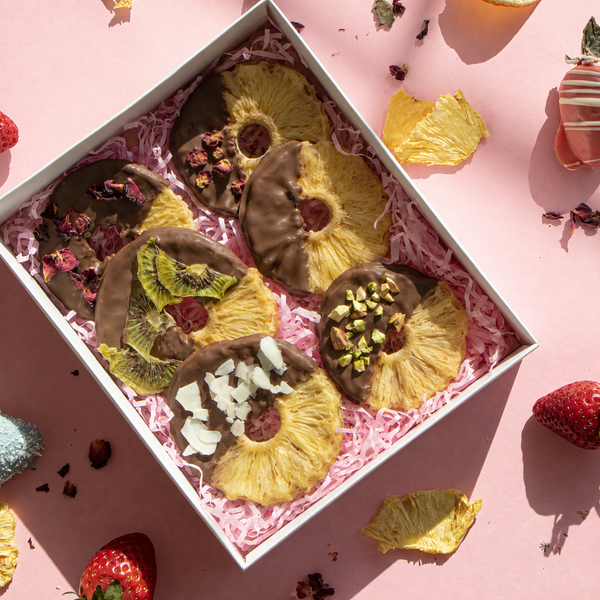
Candied pineapple rings are sweeter and more decorative. Their ring shape and confection-like character make them well suited to desserts, gifting, and presentation-focused occasions.
Which One Should You Choose?
Choose organic dried pineapple for a more fruit-forward dried fruit experience. Choose candied pineapple rings when sweetness and visual appeal are part of the occasion. For a detailed breakdown, see Organic Dried Pineapple vs. Candied Pineapple Rings.
How Do Organic Dried Pineapple and Candied Pineapple Compare Nutritionally?
Organic dried pineapple and candied pineapple are both concentrated sources of carbohydrate because much of the fresh fruit’s water has been removed. The main difference is usually the ingredient list: fruit-only dried pineapple contains the sugars naturally present in pineapple, while candied pineapple is commonly prepared with added sweeteners.
The following figures are representative values per 100 grams and should not be treated as the Nutrition Facts for a specific brand or product.
| Nutrient per 100 g | Dried pineapple | Candied pineapple |
|---|---|---|
| Calories | About 347 kcal | About 351 kcal |
| Protein | About 1.2 g | About 0.5 g |
| Total carbohydrate | About 84.1 g | About 86.8 g |
| Total sugars | About 77.1 g | Varies by recipe and sweetening syrup |
| Dietary fibre | About 2.4 g | Not consistently reported |
| Total fat | About 0.7 g | About 0.2 g |
| Sodium | Varies by product | About 58 mg |
Why Is Pineapple One of the World's Most Loved Tropical Fruits?
Pineapple became globally popular because of its recognizable appearance, vivid aroma, and balance of sweetness and acidity. As it spread beyond its tropical origins, it found a place in desserts, drinks, grilled dishes, preserves, and dried fruit across many cuisines.
Its long association with hospitality and celebration also helps explain why pineapple remains a familiar choice for entertaining, gifting, and shared food displays.
Why Does Pineapple Work in Both Sweet and Savoury Dishes?
Pineapple combines sweetness, acidity, and a distinctive tropical aroma. In desserts, its tartness adds contrast, while in savoury dishes it helps balance rich, salty, smoky, or spicy flavours.
This is why pineapple pairs naturally with ingredients such as chocolate, nuts, cheese, and grilled foods.
What Is a Hawaiian Burger?
A Hawaiian burger is generally a burger topped with pineapple, often alongside cheese, sauce, and other savoury ingredients. The name describes a tropical-inspired style rather than one single, fixed recipe.
The defining idea is contrast. A warm burger provides richness and savoury depth, while pineapple introduces sweetness, acidity, and a brighter finish. Some versions use fresh or grilled pineapple rings, while others vary the sauces, cheeses, or additional toppings.
Is Pineapple Good on Burgers?
Pineapple can work very well on a burger when the other ingredients are chosen with balance in mind. Its sweet-tart flavour cuts through rich meat, melted cheese, and creamy sauces, creating a combination that feels both hearty and fresh.
The pairing remains a matter of taste. Diners who enjoy sweet and savoury combinations often appreciate pineapple on burgers, while those who prefer a purely savoury profile may choose other toppings. From a culinary perspective, the combination succeeds when the pineapple supports the burger rather than overwhelming it.
What Goes Well with Pineapple on a Burger?
Pineapple pairs best with burger ingredients that provide saltiness, richness, smoke, or gentle heat. Cheese, grilled flavours, savoury sauces, crisp vegetables, and mildly spicy elements can all complement its tropical sweetness.
The goal is not to add every possible topping. A successful pineapple burger usually relies on a few contrasting components, allowing the fruit to remain noticeable while preserving the burger’s overall balance.
How Do You Make a Burger with Pineapple?
A pineapple burger is typically assembled by adding a pineapple ring or slice to a cooked burger, then pairing it with cheese, sauce, and selected toppings. The pineapple may be served fresh or briefly grilled to deepen its flavour and add light caramelization.
The exact method depends on the type of burger and the desired balance between sweet, savoury, smoky, and tangy flavours. Rather than treating pineapple as a novelty, the best approach is to use it as one part of a deliberate flavour combination.
The dedicated burger guide explores preparation, topping choices, and assembly in greater detail. Here, the key principle is simple: pineapple belongs in savoury cooking because its sweetness and acidity can bring contrast, lift, and tropical character to rich foods.
With fresh pineapple’s savoury potential established, the next step is to look at how the fruit changes once dried. Its flavour becomes more concentrated, its texture turns chewy, and its uses expand from cooking to snacking, baking, pairing, and entertaining.
How Can You Use Dried Pineapple?
Dried pineapple moves easily between everyday snacks and more polished food presentations. Its concentrated tropical flavour and chewy texture make it useful for lunchboxes, baking, snack boards, desserts, and entertaining.
Rather than serving just one purpose, dried pineapple can be enjoyed in many settings. Organic dried pineapple often highlights the fruit's naturally vibrant character, while candied pineapple rings add a sweeter, decorative touch to desserts and celebrations.
Everyday Snacking
One of the simplest ways to enjoy dried pineapple is straight from the package. Its convenient format makes it easy to keep on hand for busy days, road trips, office snacks, or afternoon breaks.
Because it requires no preparation, dried pineapple is a practical pantry staple for anyone who enjoys tropical flavours throughout the year.
Baking and Desserts
The concentrated flavour of dried pineapple makes it a natural addition to many baked goods and desserts. Depending on the recipe, it can contribute both flavour and visual appeal.
Whether used in cookies, cakes, loaves, or festive dessert platters, dried pineapple introduces a tropical note that complements many classic baking ingredients.
Mocktails and Entertaining
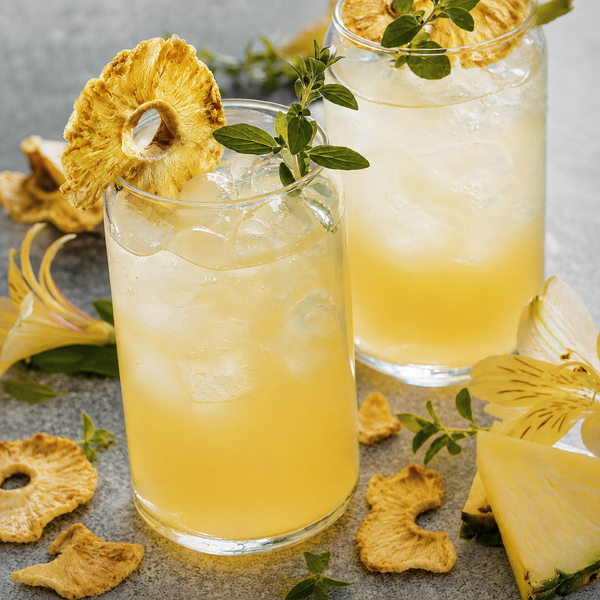
Dried pineapple can also become an eye-catching element when entertaining. It works beautifully as a garnish for alcohol-free tropical drinks, adds visual interest to serving platters, and helps create colourful snack displays.
Its attractive appearance and concentrated flavour make it especially popular for gatherings where presentation matters as much as taste.
Charcuterie and Snack Boards
Premium snack boards often combine contrasting flavours, colours, and textures. Dried pineapple contributes all three.
Whether paired with artisan cheeses, roasted nuts, crackers, or other dried fruits, it introduces a bright tropical element that balances richer ingredients while adding visual warmth to the presentation.
This versatility has made dried pineapple a favourite ingredient for holiday entertaining, family gatherings, and thoughtful food gifting.
Trail Mixes and Lunchboxes
Dried pineapple also fits naturally into homemade snack mixes and lunchbox selections. Combined with nuts, seeds, or other dried fruits, it brings variety in both flavour and texture.
Its convenient format means it can be portioned easily without preparation, making it a practical ingredient for busy households and on-the-go lifestyles.
Across all of these occasions, dried pineapple demonstrates its remarkable adaptability. Rather than belonging to a single recipe or meal, it becomes a versatile ingredient that supports everyday enjoyment, entertaining, baking, and gifting alike.
What Pairs Well with Dried Pineapple?
Dried pineapple pairs well with ingredients that either complement its tropical sweetness or provide a contrasting flavour and texture. Its concentrated fruit character makes it surprisingly adaptable, allowing it to move effortlessly between casual snacking, elegant entertaining, and dessert presentations.
Rather than relying on a single flavour profile, dried pineapple works because it brings balance. Its sweetness can soften salty foods, its gentle tartness brightens rich ingredients, and its chewy texture adds variety alongside crisp, creamy, or crunchy accompaniments.
Nuts
Roasted nuts are among dried pineapple's most natural companions. Their rich, savoury character creates a pleasing contrast with the fruit's tropical sweetness, while their crunch complements pineapple's chewy texture.
Popular combinations include:
These pairings work well in everyday snack mixes and on thoughtfully arranged snack boards.
Cheese
Cheese offers another classic contrast. Creamy, nutty, or lightly aged cheeses balance pineapple's bright fruit notes without overwhelming them, making the combination a favourite for entertaining.
Whether served on a charcuterie board or alongside other specialty foods, dried pineapple contributes colour, flavour, and texture that enhance the overall presentation.
Chocolate
Chocolate and pineapple demonstrate how contrasting flavours can work together beautifully. The richness of chocolate complements pineapple's lively tropical character, creating a combination that feels both familiar and unexpected.
Depending on the occasion, dried pineapple may be enjoyed alongside dark, milk, or white chocolate, each offering its own interpretation of this sweet pairing.
A World of Pairing Possibilities
The combinations above represent only an introduction to dried pineapple's versatility. Because it complements so many ingredients, it continues to appear on charcuterie boards, dessert platters, snack tables, and gourmet gift collections.
Can Pineapple Be Part of Everyday Eating?
Different pineapple formats suit different routines. Fresh pineapple is best when you want a juicy fruit for immediate serving, while dried pineapple offers a convenient pantry option with no peeling or cutting required.
Organic dried pineapple can be enjoyed as a simple snack or ingredient. Candied pineapple rings are better suited to sweeter occasions, decorative desserts, or sharing. Each format has a distinct place without replacing the others.
Explore Ayoub's Pineapple Collection
Ayoub's offers two distinct ways to enjoy dried pineapple: Organic Dried Pineapple and Candied Pineapple Rings.
Organic Dried Pineapple
Ayoub's Organic Dried Pineapple offers a chewy, fruit-forward experience with concentrated tropical flavour. It works well for snacking, baking, entertaining, and pairing with nuts or cheese.
Candied Pineapple Rings
Ayoub's Candied Pineapple Rings are sweeter and more decorative, making them a natural fit for dessert platters, celebrations, gifting, and festive entertaining.
Which One Should You Choose?
Choose Organic Dried Pineapple for a more fruit-focused option and Candied Pineapple Rings for a sweeter, presentation-friendly treat.
Frequently Asked Questions
What is dried pineapple?
Dried pineapple is pineapple preserved by removing most of its water, giving it a concentrated flavour and chewy texture.
Is dried pineapple made from fresh pineapple?
Yes. Fresh pineapple is prepared and dried until much of its moisture has been removed.
What is the difference between dried pineapple and dehydrated pineapple?
The terms are often used interchangeably. Both generally describe pineapple preserved through moisture removal, although preparation methods can vary.
What is the difference between organic dried pineapple and candied pineapple rings?
Organic dried pineapple offers a more fruit-forward experience, while candied pineapple rings are sweeter and more confection-like.
Why does dried pineapple taste sweeter than fresh pineapple?
Removing water concentrates the fruit’s existing flavour, so its sweetness can seem more pronounced.
What are dried pineapple rings used for?
They can be enjoyed as snacks or used in baking, desserts, entertaining, and food gifting.
What foods pair well with dried pineapple?
Common pairings include roasted nuts, cheese, chocolate, tea, and other dried fruits.
Can dried pineapple be used in baking?
Yes. Its concentrated flavour and chewy texture can add tropical character to baked goods and desserts.
Is pineapple a tropical fruit?
Yes. Pineapple grows in warm tropical and subtropical regions.
Why is pineapple associated with hospitality?
Pineapple has long symbolized welcome and generosity, which is why it still appears in entertaining and celebratory settings.
Pineapple moves easily from fresh fruit to dried slices, organic dried pineapple, and candied pineapple rings. Each format offers a different balance of flavour, texture, convenience, and presentation.
Pineapple changes remarkably from one form to another. Fresh, it is bright and juicy; dried, it becomes chewy and concentrated; candied, it takes on a sweeter, more decorative character. Each version offers a different way to enjoy the same tropical fruit.
Understanding those differences makes it easier to choose the right format for the moment, whether that means everyday snacking, baking, pairing, entertaining, or adding a sweet-and-savoury contrast to a dish. Dried pineapple stands out because it combines convenience with a bold flavour that works across both simple and more polished food experiences.
From its tropical origins and distinctive growing process to its many culinary uses, pineapple remains one of the most adaptable fruits in the pantry. The best way to enjoy it depends not on which form is better, but on the texture, sweetness, and occasion you have in mind.
Unlock Exclusive Deals!
Be the first to know about our special promotions, new arrivals, and more when you sign up for our newsletter.
Related Posts
How to Dry Pineapple at Home: A Simple Guide to Homemade Dried Pineapple
Dried Pineapple Dessert Recipes & Baking Ideas