




Canadian Thanksgiving: Date, Traditions, Food and Celebration Guide
The door opens. Cool October air slips inside, followed by familiar voices and the rustle of coats. From the kitchen comes the scent of roasting vegetables and warm spice. On the table, there is something crisp to pass around while the last dish finishes in the oven. This is Canadian Thanksgiving at its best: generous food, an unhurried welcome and time made for one another.
Canadian Thanksgiving is celebrated on the second Monday in October. In 2026, it falls on Monday, October 12. Many Canadians gather at some point during the long weekend, whether for a traditional turkey dinner, a relaxed potluck or a meal shaped by several cultures and family histories.
There is no single correct way to set the table. What matters is the care behind it. This guide explores when Thanksgiving takes place in Canada, how the holiday evolved, what Canadians often eat and how to create a gathering that feels thoughtful from the first handful of warm-roasted nuts to the final cup of tea.
Canadian Thanksgiving at a glance: Canadian Thanksgiving falls on the second Monday in October. In 2026, Thanksgiving Day is Monday, October 12. Canadians often celebrate throughout the long weekend by gathering with family or friends, sharing an autumn meal and expressing gratitude.
When Is Canadian Thanksgiving?
Thanksgiving Day in Canada falls on the second Monday of October every year. The rule stays the same, although the calendar date changes.
In 2026, the Canadian Thanksgiving weekend runs from Saturday, October 10, to Monday, October 12. Monday is the official holiday, but there is no need to wait until then to gather. Many families host their main meal on Saturday or Sunday, leaving Monday open for travel, leftovers or a quieter visit with friends.
Canada celebrates earlier than the United States, where Thanksgiving falls on the fourth Thursday of November. The October date suits Canada’s earlier autumn harvest and gives the weekend its distinct seasonal character: crisp air, changing leaves, apples, squash, cranberries and the first real invitation to gather indoors.
Continue planning: When Is Thanksgiving in Canada in 2026? will cover the full long-weekend calendar, future dates and annual planning details.
What Is Canadian Thanksgiving?
Canadian Thanksgiving is a holiday associated with gratitude, harvest and gathering. For many people, the shared meal is its heart. Others mark the weekend by visiting loved ones, taking an autumn walk, volunteering or making time for someone who might otherwise be alone.
Thanksgiving is a federal holiday and a designated paid holiday for federally regulated employees. Provincial and territorial employment rules vary, so holiday pay, business hours and services depend on location and workplace. Check current local information before making work or travel plans.
The celebration is just as varied as the country itself. Thanksgiving may be a cherished annual tradition in one home and an ordinary weekend in another. At the tables where it is celebrated, turkey and stuffing might sit beside saffron rice, dumplings, grilled vegetables, fragrant stews or a dessert passed down through generations. The menu changes. The invitation—to gather, share and give thanks—remains.
The History of Thanksgiving in Canada
Canadian Thanksgiving has no single, tidy beginning. Its modern form grew from many influences: Indigenous traditions of gratitude and seasonal gathering, European harvest observances, religious ceremonies and government proclamations whose dates and meanings changed over time.
Indigenous Peoples across the lands now known as Canada held ceremonies and gatherings connected with harvests, seasonal cycles and giving thanks long before European settlement. These traditions are specific to individual Nations. They should be understood on their own terms, not compressed into one practice or treated simply as the opening chapter of a later colonial holiday.
European settlers brought harvest festivals and religious days of thanksgiving. Popular histories often mention a 1578 ceremony held by Martin Frobisher and his crew in what is now Nunavut after they survived a difficult Atlantic crossing. It was one event among many. Later thanksgiving observances marked harvests, recoveries from illness, military events and royal occasions.
For generations, Canadian governments proclaimed thanksgiving days irregularly. The season, date and stated purpose shifted. From 1921 to 1931, Thanksgiving and Armistice Day were observed on the same Monday in November. Parliament separated them in 1931 and fixed Armistice Day—later called Remembrance Day—on November 11.
In 1957, a federal proclamation established the second Monday in October as a day of thanksgiving for the harvest and other blessings. That timing continues today.
This layered history matters. Canadian Thanksgiving is not one unchanged story carried across centuries. It is an evolving occasion, shaped by the land, the season and the many communities that now call Canada home.
Explore the story: What Is Canadian Thanksgiving? History, Meaning and Traditions will examine these origins and evolving customs in greater depth.
Canadian Thanksgiving Traditions
Canadian Thanksgiving traditions tend to be flexible. The day is less about performing a fixed ceremony and more about creating room for connection.
A Table Made for Sharing
For many households, the main tradition is simply eating together. The meal may be formal, with a centrepiece and carefully set places, or wonderfully casual, with coats on the bed and serving bowls squeezed onto every open surface.
A potluck can make the table richer in more ways than one. Each dish carries a little of the person who brought it: a grandmother’s stuffing, a favourite salad, a spice blend from home or a dessert that appears only once a year. Rather than asking every guest to follow one menu, invite them to bring something that means Thanksgiving—or togetherness—to them.
Gratitude That Feels Genuine
Some families take turns saying what they appreciate. Others offer a toast, write a note to the host or call someone who cannot be there. Gratitude does not need to be elaborate. It becomes more meaningful when it is specific: thank the person who drove across town, brought a beloved dish or stayed late to wash the last platter.
An October Weekend Outdoors
The earlier Canadian date leaves room for an autumn walk before dinner, a visit to a farm or a few lingering moments outside with a warm drink. Depending on the region, the trees may be at their brightest or the first frost may already be in the air. That nearness to the harvest gives Canadian Thanksgiving much of its character.
How to Build a Thanksgiving Charcuterie Board
A Thanksgiving charcuterie board does more than keep everyone happy until dinner. It gives arriving guests a place to gather, something to talk about and a first taste of the generous meal to come.
Build it around contrast rather than quantity. Begin with two or three cheeses: perhaps an aged cheddar for depth, a soft Brie for richness and a blue or goat cheese for a brighter, tangier note. Add folds of cured meat if they suit your guests, or let the board remain centred on cheese, fruit and nuts.
Next comes the crunch. pistachios roasted with lime and saffron bring a lively citrus edge and floral aroma that cut through creamy cheese. Cashews are rounder and more buttery, making them a natural companion for aged cheddar or a spoonful of fig preserve. Add a few walnuts beside blue cheese or Gouda; their rich, gently tannic flavour gives the board an unmistakably autumnal note.
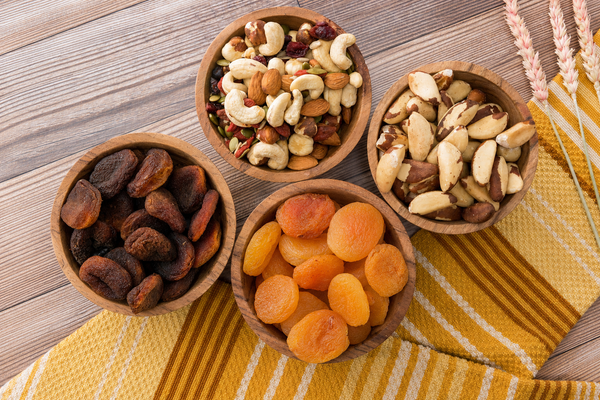
Now soften the board with dried fruit. Layer in honey-sweet dried apples, mellow dried pears and bright, tangy dried peaches. Add smooth persimmon, citrusy dried orange or jammy figs for deeper colour and contrast. A few dried cranberries or fresh pomegranate seeds can carry ruby-red colour across the board without relying on decorative objects guests cannot eat.
Finish with one or two small bowls. Fig jam, apple butter, grainy mustard or dark honey all work well. Add plain crackers or sliced bread last so they stay crisp. Start with the cheeses as visual anchors, curve meats or fruit around them, and use nuts to fill the smaller spaces. The finished board should feel abundant, but every ingredient should still be easy to reach.
If the board is the opening to a full dinner, keep portions restrained. The purpose is to welcome, not to replace the meal. Bring cheese toward room temperature before serving, replenish small amounts as needed and keep perishable foods within safe serving times.
For an effortless variation, arrange lightly salted pistachios and three roasted kernel flavours—lime and saffron, lime and pepper, and spicy—around a small wheel of Brie, apple slices and a dish of cranberry preserve. The different roasts invite guests to taste and compare, while the fruit and cheese keep each bite balanced.
At Ayoub’s, freshness shapes every part of the table. Nuts are roasted in small batches for peak flavour, a warm aroma and a clean, satisfying crunch. Natural ingredients and no preservatives keep every bite simple and honest, while carefully selected dried fruits add colour, chew and concentrated sweetness. The result is premium, wholesome food made for sharing—across a charcuterie board, folded into a favourite recipe or passed around straight from the bowl.
Make it your own: the upcoming Canadian Thanksgiving Recipes for a Warm, Welcoming Table will include more ways to use nuts and dried fruit across appetizers, salads, sides and desserts.
Thanksgiving Recipes with Dried Cranberries
Dried cranberries earn their place far beyond the sauce bowl. Their sweet-tart chew can brighten a Thanksgiving charcuterie board, lift a savoury stuffing or pilaf, bring contrast to a salad with goat cheese and walnuts, or add ruby colour to cookies and scones. For more pairing ideas—and simple ways to use them after the holiday—read They’re Not Just for Thanksgiving: Why Dried Cranberries Deserve a Year-Round Spot.
What Do Canadians Eat for Thanksgiving?
There is no official Canadian Thanksgiving menu, but turkey or ham often anchors the meal, surrounded by stuffing, potatoes, squash, carrots, cranberry sauce and gravy. Pumpkin and apple desserts are familiar finishes. Regional ingredients and cultural traditions make every table different.
The best Thanksgiving meal is not necessarily the one with the most dishes. It has rhythm: a welcoming bite when guests arrive, a generous main table, something sweet with tea and enough breathing room to enjoy it all.
Build a Generous Main Table
A classic main course may begin with roast turkey, although ham, salmon, chicken or a plant-based centrepiece can serve the same role. Stuffing adds herbs and savoury warmth. Cranberry sauce brings brightness. Roasted roots and squash fill the table with deep orange, gold and red.
Then make the menu personal. Fold toasted walnuts into a squash salad. Scatter pistachios over roasted carrots. Add chopped dried apricots or cranberries to a grain dish. These small touches add colour and texture without asking the host to prepare another full recipe.
A colourful unsweetened dried fruit mix, made from a family recipe created in 1975, offers apple, orange, peach, pear, persimmon and other fruits in one selection. Snip the softer pieces into a grain dish, layer sliced fruit over baked Brie or arrange a few pieces beside cheese as a naturally sweet counterpoint to savoury flavours. Check the product ingredient information for sulphites when planning for guests with sensitivities.
Plan the whole table: What Is Served at a Canadian Thanksgiving Meal? will expand this overview into appetizers, mains, sides and desserts.
Finish with Fresh Baking and Tea
Pumpkin and apple pie will always feel at home at Thanksgiving, but dessert does not have to be one grand finale. A plate of smaller bakes lets guests taste a little, return for another and linger over tea.
Ginger cookies bring warming spice beside black tea. Walnut puffs add a delicate, nutty bite, while salty walnut cookies give the dessert plate a savoury edge. Arrange two varieties on a cream-coloured plate, weave in pieces of dried pear or persimmon and let the contrast of tender, crisp and chewy textures carry the presentation.
If several guests are bringing dessert, ask for smaller portions. A little variety feels festive; five untouched pies feel like tomorrow’s storage problem.
Canadian and American Thanksgiving
Canadian and American Thanksgiving share themes of food, family and gratitude, but their dates and histories differ.
| Topic | Canadian Thanksgiving | American Thanksgiving |
|---|---|---|
| Date | Second Monday in October | Fourth Thursday in November |
| Seasonal setting | Earlier autumn and harvest season | Later autumn, closer to winter holidays |
| Gathering day | Often Saturday, Sunday or Monday | Commonly centred on Thursday |
| Food | Turkey, stuffing, potatoes, squash, cranberries and many family-specific dishes | Many overlapping foods, with strong regional variation |
| General character | Often a flexible long-weekend gathering | Frequently a larger national travel and cultural event |
These are broad patterns, not rules. A Canadian celebration can fill several rooms, while many people in either country keep the day quiet or do not observe it at all.
Compare the traditions: Canadian vs. American Thanksgiving: What’s Different? will look more closely at history, timing, food and the character of each celebration.
How to Host with Ease
Five-star hospitality is not about making everything from scratch or producing a flawless tablescape. It is the feeling guests have when they realize someone thought ahead for them.
Begin Before the Doorbell Rings
Clear a place for coats. Set out glasses. Have a welcoming snack ready so the first guest is not left wondering where to stand while the kitchen hums.
For a larger gathering, build an edible centrepiece from roasted cashews, almonds and pistachios with lime and saffron, then weave in dark chocolate, dried cranberries, candied ginger and sliced fruit. The range gives guests something savoury, something sweet and plenty to discover without asking the host to assemble several separate dishes.
Let the Table Breathe
Choose a few dishes and give each one space. A cream-coloured cloth, warm wood, a scattering of autumn leaves and bowls filled with colourful food are enough. Avoid decorations that compete with serving dishes or make conversation difficult across the table.
Plan the flow as carefully as the menu. Keep water within reach. Put sauces in more than one place at a large table. Label unfamiliar foods and major allergens. Make it easy for guests to help themselves without passing hot dishes too far.
Plan for the Gentle Ending
Before dinner, clear a shelf in the refrigerator and set out containers for leftovers. After the meal, invite guests to choose what they would enjoy taking home. It reduces waste and sends a little of the evening with them.
Then bring out tea, coffee and a final small plate. This is often when the best stories arrive—after the serving dishes have been cleared and no one is watching the clock.
A Thanksgiving Host Gift Made for Sharing
A host gift should feel like appreciation, not another assignment. Choose something ready to serve or easy to enjoy after the guests have gone.
A gift box of roasted nuts, dried fruit and candied ginger carries the colours and textures of the harvest and can be opened for the table or saved for a quiet moment later. For a larger household, a tasting tray offers several flavours to pass around without creating more work for the host.
For a smaller thank-you, roasted pistachios, hazelnuts, almonds and cashews with lime and saffron feel bright, fragrant and considered. The citrus and saffron make the gesture distinctive; the petite presentation keeps it easy to carry and receive.
Always consider the household receiving the gift. Check for allergies. Avoid anything that needs immediate preparation or refrigerator space. Add a short note that says what you mean: Thank you for bringing us together.
How to Celebrate Thanksgiving in British Columbia
Thanksgiving weekend in British Columbia can include much more than the meal itself. Depending on the weather and the pace your family prefers, you can visit a farm, explore the autumn colours, experience the cranberry harvest, attend a seasonal event or spend an unhurried afternoon together at home.
Visit a Pumpkin Patch or Apple Orchard
A trip to the Fraser Valley is an easy way to experience the harvest season before Thanksgiving dinner. Farms around Abbotsford, Langley and Chilliwack offer activities such as apple picking, pumpkin patches, corn mazes, hayrides and visits with farm animals. Many also have markets where you can pick up apples, pumpkins, squash, cider and other seasonal ingredients.
This option is especially suitable for:
- Families with children
- Groups looking for an outdoor activity
- Visitors who want to explore beyond Vancouver
- Anyone shopping for local Thanksgiving ingredients
Farm hours and activities can change throughout October, so check admission details, weather conditions and reservation requirements before leaving.
Enjoy a Fall Walk or Picnic
For a quieter celebration, take a walk through Stanley Park, Queen Elizabeth Park or VanDusen Botanical Garden, or follow the seawall around Coal Harbour. The changing leaves and cooler air offer a refreshing way to spend time together before returning home for dinner.
If you plan to stay out longer, pack a thermos of warm apple cider and a few portable snacks. Almonds, roasted pistachios with lime and saffron, dried apples and cranberries are easy to carry and share without requiring plates or preparation.
This option works well for:
- Couples and small family groups
- Relatives visiting from outside Vancouver
- Anyone who prefers a flexible schedule
- Families gathering for dinner later in the day
Experience British Columbia’s Cranberry Harvest
British Columbia is one of Canada’s principal cranberry-growing regions, making the harvest a fitting part of a local Thanksgiving weekend. Farms around Langley and Pitt Meadows may offer tours, farm-store visits or seasonal experiences where visitors can learn how cranberries are grown and harvested.
Bring the flavour home by adding cranberries to stuffing, salads, baked goods or a harvest charcuterie board. Their tartness balances rich cheeses and roasted nuts, while their deep red colour brings a natural autumn accent to the table.
This option is a good fit for:
- Food-focused day trips
- Families interested in local agriculture
- Visitors looking for a distinctly British Columbia experience
- Anyone gathering ingredients or inspiration for Thanksgiving dinner
Plan a Family Thanksgiving Gathering
A family gathering does not have to begin when dinner is served. Invite everyone to arrive a little earlier and plan a few simple activities that children, parents and grandparents can enjoy together.
Ideas for the afternoon include:
- Asking guests to bring a favourite side dish or family recipe
- Creating a gratitude jar and inviting everyone to add a note
- Decorating miniature pumpkins with the children
- Looking through family photographs and sharing Thanksgiving memories
- Taking a short neighbourhood walk before dinner
- Playing cards, board games or family trivia
- Preparing a grazing board together while the meal cooks
Set out bowls of roasted pistachios and almonds alongside dried apples, figs and cranberries. Guests can snack while catching up, helping in the kitchen or joining a game. It keeps the gathering relaxed without turning the time before dinner into another formal course.
This option works especially well for:
- Families bringing several generations together
- Groups with young children or older relatives
- Hosts who want guests to participate
- Anyone who values time together as much as the meal
Attend a Thanksgiving Weekend Event
Several public events are scheduled in Vancouver and the surrounding region for Thanksgiving weekend in 2026:
- Harvest Days at VanDusen Botanical Garden: Visit from October 10 to 12 for live music, face painting, lawn games, seasonal crafts, food trucks and fall displays. The activities run from 10:30 a.m. to 4:30 p.m. and are included with garden admission.
- Fort Langley Cranberry Festival: Explore more than 125 vendors, food trucks and local cranberry products on Saturday, October 10, from 10 a.m. to 4 p.m. A pancake breakfast begins at 8 a.m.
- Granville Island Turkey Trot: Join a 10-kilometre run, walk or stroll on Thanksgiving Monday, October 12. The event supports local food banks, and advance registration is required.
- Vancouver International Film Festival: Running until October 11, the festival offers screenings, talks, live performances and special events for anyone looking for an indoor long-weekend activity.
Event schedules, ticket availability and admission requirements may change. Check the organizer’s website before finalizing your plans.
Whether you head to a farm, join a public event or bring the family together at home, choose an activity that fits naturally around the meal.
Make the Gathering Meaningful
The details people remember are rarely the ones a host worried about most. They remember who opened the door, what made everyone laugh and the moment someone passed them a dish with a story behind it.
Try one or two of these simple gestures:
- Invite with intention. Think of a friend, neighbour or colleague who may not have plans.
- Make room for personal traditions. Ask guests to bring a dish connected to their family or culture.
- Thank someone specifically. Name what they did and why it mattered.
- Share the work. Let people pour drinks, carry a platter or pack leftovers.
- Send something home. A few cookies or a small portion of a favourite mix extends the warmth of the table.
- Carry gratitude forward. Support a community organization or make plans with someone before the winter holidays.
Perfection is a poor measure of hospitality. A better one is whether people felt noticed, nourished and welcome.
Canadian Thanksgiving FAQs
When Is Canadian Thanksgiving in 2026?
Canadian Thanksgiving falls on Monday, October 12, 2026. The holiday is observed on the second Monday of October every year, although many families hold their main meal on Saturday or Sunday of the long weekend.
Why Is Canadian Thanksgiving in October?
Canada’s Thanksgiving is associated with an earlier northern harvest season, so it takes place sooner than American Thanksgiving. Since 1957, the holiday has officially been observed on the second Monday of October.
What Does Canadian Thanksgiving Celebrate?
Canadian Thanksgiving is a modern occasion for expressing gratitude and sharing the autumn harvest. Its history includes distinct Indigenous traditions of giving thanks, European harvest festivals, religious observances and changing government proclamations. People now celebrate in many cultural and personal ways.
Is Canadian Thanksgiving a Statutory Holiday?
Thanksgiving is a federal holiday and a designated paid holiday for federally regulated employees. Provincial and territorial employment standards differ. Check the current government rules where you live or work to confirm holiday pay and business-opening requirements.
What Food Is Served at Canadian Thanksgiving?
Common foods include turkey or ham, stuffing, potatoes, squash, carrots, cranberry sauce and gravy, followed by pumpkin, apple or maple desserts. Many menus also include regional dishes and recipes connected to a family’s cultural heritage.
How Is Canadian Thanksgiving Different from American Thanksgiving?
The clearest difference is timing. Canada celebrates on the second Monday in October, while the United States celebrates on the fourth Thursday in November. Canada’s holiday is tied to an earlier harvest season and often unfolds as a flexible long-weekend gathering.
Do All Canadians Celebrate Thanksgiving?
No. Thanksgiving is widely recognized, but not every Canadian observes it. Celebrations also vary in meaning and size. Some people host a large family meal, some gather with friends, and others treat it as an ordinary autumn weekend.
What Should a Guest Bring to Thanksgiving Dinner?
Choose something thoughtful and easy to receive: a ready-to-share selection of roasted nuts and dried fruit, fresh baking, arranged flowers or a handwritten note. Check for allergies and avoid giving the host anything that requires immediate preparation.
Explore More Thanksgiving Guides
Continue planning with these Canadian Thanksgiving guides as they become available:
- When Is Thanksgiving in Canada in 2026?
- What Is Canadian Thanksgiving? History, Meaning and Traditions
- Canadian vs. American Thanksgiving: What’s Different?
- What Is Served at a Canadian Thanksgiving Meal?
- Canadian Thanksgiving Recipes for a Warm, Welcoming Table
- A British Columbia Thanksgiving: Local Hosting and Gifting Ideas
Gather, Savour, Give Thanks
Canadian Thanksgiving can be a long table filled with family, a potluck of old and new traditions, or a quiet meal shared by two. It does not need a perfect menu. It needs a welcome.
Start with something fragrant and crisp. Leave room for the dishes and stories guests bring. Pass the bowl again. Pour one more cup of tea. These small gestures are how an ordinary October weekend becomes a memory.
Unlock Exclusive Deals!
Be the first to know about our special promotions, new arrivals, and more when you sign up for our newsletter.
Related Posts
Dessert Recipes Using Dried Apricots: Sweet, Simple Ideas to Try at Home
Dried Apricots: 9 Helpful Benefits, Nutrition Facts, Uses, and Buying Tips
Canada Day in Vancouver 2026: Events, World Cup Watch Parties & Local Things to Do
Sign up to get our latest ebook

No stores match your search.


Location access is blocked.
Location access blocked. Search by city instead.

Use two fingers to zoom the map
Load the map
This map is hosted by a third-party provider. Click to load it.