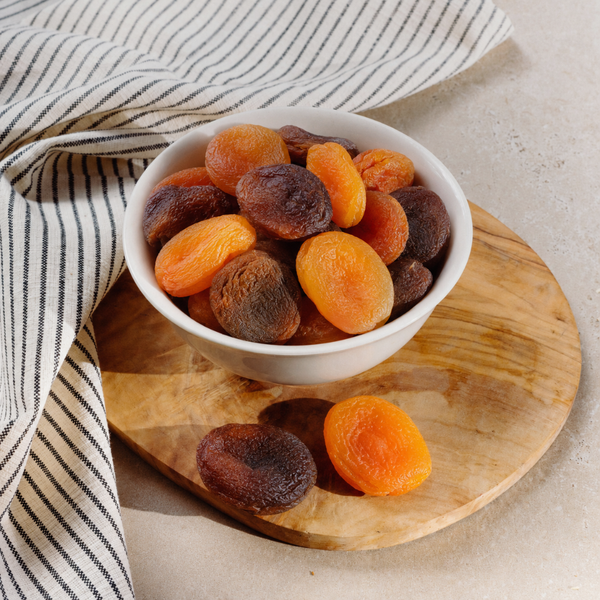

Dried Apricots: 9 Helpful Benefits, Nutrition Facts, Uses, and Buying Tips
Dried apricots are fresh apricots with most of their water removed, creating a naturally sweet and concentrated fruit. They are enjoyed on their own, in recipes, or as part of assortments.
Fresh apricots are soft, juicy, and delicate. Once dried, their flavor becomes deeper and more intense. You get that familiar apricot brightness, but with a richer sweetness, a pleasant chew, and a more convenient shelf life. That’s part of what makes dried apricots such a beloved pantry staple.
They are also wonderfully versatile. A small handful can fit into a lunchbox, brighten up a bowl of oatmeal, or add a golden pop of color to a charcuterie board. For many people, they sit right in that sweet spot between wholesome snack and thoughtful treat.
How Are Dried Apricots Made?
Dried apricots are made by removing moisture from ripe apricots. This can happen through sun-drying or controlled drying methods. As the water content decreases, the fruit becomes smaller, sweeter-tasting, and more concentrated.
The drying process helps preserve the fruit while keeping many naturally occurring nutrients, such as fiber and potassium. Because dried fruit is more concentrated than fresh fruit, portions are usually smaller. Canada’s Food Guide encourages eating a variety of vegetables and fruits as part of a healthy eating pattern, and dried fruit can fit into that broader food-first approach when enjoyed mindfully.
What Do Dried Apricots Taste Like?
Dried apricots usually taste sweet, tangy, and slightly floral. Their profile can range from soft and tender to firmer depending on the variety and drying method.
You may notice:
- A honey-like sweetness
- A gentle tart finish
- A chewy, satisfying bite
- A warm, fruity aroma
This balance of flavors is why these fruits work so well in both everyday bites and more elegant food arrangements.
Dried Apricots vs Fresh Apricots
Fresh and dried apricots come from the same fruit, but they offer different eating experiences.
| Feature | Fresh Apricots | Dried Apricots |
| Texture | Juicy and soft | Chewy and concentrated |
| Flavor | Light and delicate | Rich, sweet, tangy |
| Shelf life | Short | Longer |
| Best use | Fresh eating, salads | Snacking, baking, boards |
| Portion style | Larger serving | Smaller handful |
Fresh apricots are refreshing and delicate. Dried apricots are richer, more portable, and easier to keep on hand.
These flavorful fruits are popular because they are convenient, nutrient-rich, and easy to enjoy in breakfasts, desserts, and entertaining spreads.
Are Dried Apricots Good for You?
Yes, dried apricots can be good for you when enjoyed as part of a balanced diet.
They offer fiber, potassium, iron, and antioxidants in a convenient form.
Like all dried fruit, dried apricots are more concentrated than fresh fruit, so portion size matters.
A small handful can feel satisfying without being overly heavy, making them a practical choice for everyday snacking, lunchboxes, travel, and simple entertaining.
Why Dried Apricots Can Be Part of a Balanced Diet
Dried apricots are a whole-fruit snack. That means they naturally contain nutrients found in apricots, but in a more concentrated form because most of the water has been removed.
They can be part of a balanced routine because they offer:
- Fiber, which helps make snacks feel more satisfying
- Potassium, a naturally occurring mineral found in many fruits
- Iron, which contributes to their nutrient profile
- Antioxidants, including plant compounds that give apricots their color
- Natural sugars, which provide quick, food-based energy
The key is to enjoy them mindfully. Dried apricots are not meant to replace a full meal, but they can be a lovely, wholesome snack when paired with other ingredients like nuts, yogurt, cheese, or whole grains.
A Naturally Sweet Snack Without Feeling Overly Indulgent
One reason dried apricots are so popular is that they satisfy a sweet craving in a simple way. They have a soft chew, a bright fruity flavor, and a gentle tartness that keeps them from feeling too sugary.
For many, they are a welcome alternative to processed sweets. When you choose options made with quality ingredients, the flavor feels clean and naturally enjoyable.
How Dried Apricots Fit Into Mindful Snacking
Mindful snacking is not about restriction. It is about choosing foods that feel satisfying, flavorful, and worth enjoying.
Dried apricots work well for mindful snacking because they are:
- Easy to portion
- Naturally flavorful
- Chewy and satisfying
- Simple to pair with other foods
- Suitable for both everyday snacks and special occasions
A few pieces with almonds or cashews can feel balanced. Adding them to a small bowl with other dried fruits creates a colorful, wholesome treat.
Are Dried Apricots Better Than Candy or Processed Sweets?
Dried apricots are different from candy because they come from whole fruit and naturally contain fiber and nutrients. They still contain natural sugars, so they should be enjoyed in reasonable portions, but they offer more food value than many refined sweets.
A helpful way to think about them is this:
| Snack Type | What It Offers |
| Dried apricots | Natural sweetness, fiber, minerals, chewy texture |
| Candy | Sweetness, often with added sugars and flavorings |
| Baked sweets | Comfort and richness, often with flour, sugar, and fats |
| Fresh fruit | Hydration, freshness, lighter sweetness |
Dried apricots sit beautifully between fresh fruit and dessert. They are sweet enough to feel like a treat, but simple enough to enjoy as part of everyday snacking.
Dried apricots are good for many everyday snack routines because they are naturally sweet, nutrient-rich, and easy to enjoy in moderation. They pair especially well with nuts, breakfast bowls, cheese boards, and homemade desserts.
Dried Apricots Nutrition: Calories, Fiber, Sugar, and Vitamins
Dried apricots nutrition is one of the main reasons this fruit has become such a loved pantry staple. Dried apricots naturally contain fiber, potassium, iron, antioxidants, vitamins, and natural sugars in a small, chewy serving.
Because the fruit is dried, the nutrients and natural sugars become more concentrated than they are in fresh apricots. That’s why dried apricots are best enjoyed in mindful portions, often paired with nuts, yogurt, oatmeal, cheese, or other whole foods.
Dried Apricots Nutrition at a Glance
Nutritional values vary slightly depending on the apricot variety, drying method, and whether anything has been added. As a general reference, USDA-linked nutrition data lists dried apricots at about 241 calories per 100 grams, with meaningful amounts of fiber, potassium, iron, and vitamin A.
| Nutrient | Why It Matters in Everyday Snacking |
| Calories | Provide concentrated food energy in a small portion |
| Fiber | Helps make dried apricots feel satisfying |
| Natural sugars | Give dried apricots their sweet taste and quick energy |
| Potassium | A naturally occurring mineral found in many fruits |
| Iron | Adds to the fruit’s nutrient profile |
| Vitamin A compounds | Connected to the apricot’s golden-orange color |
| Antioxidants | Plant compounds naturally present in fruit |
Health Canada notes that vegetables and fruits are part of a healthy eating pattern and provide important nutrients such as fiber, vitamins, and minerals. Dried apricots can fit into that broader fruit-forward approach when enjoyed in reasonable portions.
Calories in Dried Apricots
Dried apricots are more calorie-dense than fresh apricots because most of the water has been removed. That doesn’t make them “bad.” It simply means a smaller portion goes a longer way.
A few dried apricots can feel satisfying because they offer:
- Natural sweetness
- Chewy texture
- Concentrated fruit flavor
- Pairing potential with nuts or dairy
For everyday snacking, the best approach is to enjoy them as part of a balanced plate or snack bowl rather than eating straight from the bag without thinking. A small serving with almonds, cashews, or pistachios can feel more complete and keep the snack from feeling too sweet.
Fiber in Dried Apricots
Dried apricots naturally contain fiber, which is one reason they feel more satisfying than many soft sweets. Fiber adds texture and helps slow the eating experience, especially when paired with crunchy nuts.
This makes dried apricots especially useful in:
- Lunchbox snacks
- Breakfast bowls
- Trail mixes
- Grazing platters
- Travel snacks
Their soft chew gives you something to linger over, while their sweetness makes the snack feel enjoyable and comforting.
Natural Sugars in Dried Apricots
Dried apricots taste sweet because they naturally contain fruit sugars. Since drying removes water, that sweetness becomes more concentrated.
That’s why portion size matters. A small handful of dried apricots may contain the sweetness of several fresh apricots in a much smaller volume.
A helpful way to enjoy dried apricots is to pair them with foods that bring balance, such as:
- Nuts for crunch and healthy fats
- Yogurt for creaminess
- Cheese for a salty contrast
- Oats for a hearty breakfast base
This keeps the snack flavorful, balanced, and satisfying.
Vitamins, Minerals, and Antioxidants
Dried apricots naturally contain vitamins, minerals, and plant compounds. Their orange-golden color is linked to carotenoid pigments, and their nutritional profile includes minerals such as potassium and iron.
They are often appreciated for:
- Their naturally occurring potassium
- Their iron content compared with many fruits
- Their fruit-based antioxidants
- Their bright, concentrated apricot flavor
This doesn’t mean dried apricots should be treated like a supplement. They are best understood as a nutrient-rich food that can be part of everyday eating.
Dried apricots nutrition is concentrated, flavorful, and naturally rich in fiber, potassium, iron, vitamins, antioxidants, and natural sugars. Enjoy them in moderate portions, especially with nuts or other whole foods, for a snack that feels balanced and satisfying.
Dry Apricot Benefits for Everyday Snacking
The best dry apricot benefits are not just about what they contain, but how easy they are to enjoy in real life. Dried apricots are simple, portable, flavorful, and versatile, which makes them a helpful snack to keep on hand for busy days, family moments, and thoughtful entertaining.
They bring a naturally fruity sweetness, a soft chewy texture, and a sunny apricot flavor that works just as well in a lunchbox as it does on a beautiful grazing platter.
They Are Easy to Pack and Enjoy Anywhere
Dried apricots are one of those snacks that fit almost effortlessly into daily routines. They do not need washing, peeling, slicing, or refrigeration for short-term use, which makes them especially practical.
They are a great option for:
- Work bags
- School lunchboxes
- Road trips
- Hiking snacks
- Office snack drawers
- Weekend errands
- Travel snack pouches
Their soft texture also makes them easy to eat on the go. A few pieces can feel like a little pause in the day, especially when paired with something crunchy like almonds, cashews, or pistachios.
They Make Lunchboxes Feel More Thoughtful
Lunchbox snacks can get repetitive quickly. Dried apricots add color, sweetness, and variety without needing extra preparation.
They pair nicely with:
- Roasted nuts
- Cheese cubes
- Crackers
- Dark chocolate pieces
- Granola clusters
- Other dried fruits
For families, they are an easy way to add something bright and fruit-forward to a packed lunch. For adults, they make a desk snack feel a little more special than the usual grab-and-go option.
They Are Perfect for Travel, Hiking, and Busy Days
Dried apricots are a classic travel snack because they are compact, tidy, and easy to portion. They do not bruise like fresh fruit, and they take up very little space in a bag.
For hiking or outdoor snacks, they work beautifully in trail mixes with:
- Almonds
- Cashews
- Walnuts
- Pistachios
- Pumpkin seeds
- Coconut chips
The combination of chewy fruit and crunchy nuts creates a snack that feels satisfying, flavorful, and easy to share along the way.
They Pair Beautifully with Nuts
One of the most enjoyable ways to eat dried apricots is with nuts. The contrast is simple but lovely: soft and chewy fruit beside crisp, roasted nuts.
Try these easy pairings:
| Pairing | Why It Works |
| Dried apricots + almonds | Clean, classic, and lightly sweet |
| Dried apricots + cashews | Creamy, mellow, and smooth |
| Dried apricots + pistachios | Colorful, elegant, and slightly earthy |
| Dried apricots + walnuts | Rustic, rich, and cozy |
| Dried apricots + mixed nuts | Easy, generous, and perfect for sharing |
They Add Natural Sweetness to Everyday Meals
Dried apricots are an easy way to bring fruit flavor into simple meals. Their sweet-tart taste works in both sweet and savory dishes, which makes them more flexible than many pantry snacks.
You can:
- Chop them into oatmeal
- Stir them into yogurt bowls
- Add them to granola
- Fold them into chicken salad
- Use them in homemade snack bars
They also pair beautifully with warm spices like cinnamon, cardamom, ginger, and nutmeg. Just a few chopped pieces can make a simple breakfast or side dish feel more colorful and inviting.
They Make Grazing Boards and Charcuterie Boards Feel Special
Dried apricots are a natural fit for entertaining. Their golden color, soft chew, and sweet-tart flavor add contrast to richer board ingredients.
They work especially well with:
- Brie
- Aged cheddar
- Goat cheese
- Smoked almonds
- Pistachios
- Dark chocolate
- Crackers
- Olives
On a grazing platter or charcuterie board, dried apricots act like a bright little bridge between salty, creamy, crunchy, and rich flavors. They make the board look more abundant while keeping the flavor experience balanced.
They Are a Thoughtful Option for Gifting
Dried apricots also feel gift-worthy, especially when paired with premium nuts, dates, figs, or handcrafted sweets. Their color and flavor make them a beautiful addition to dried fruit trays, holiday boxes, hostess gifts, and corporate gifting.
They work well in gifts because they are:
- Easy to share
- Elegant without being fussy
- Naturally colorful
- Suitable for many occasions
- Lovely alongside nuts and sweets
A box with dried apricots, roasted pistachios, cashews, and a few handcrafted treats feels warm, generous, and personal.
The benefits of this fruit come from its versatility and ability to complement breakfasts, travel, and entertaining. They are simple enough for daily routines and elegant enough for special occasions.
Apricot Dry Fruit: Types, Taste, and Texture
Apricot dry fruit comes in several styles, and each one offers a slightly different eating experience. Some dried apricots are soft, golden, and sweet, while others are darker, tangier, firmer, or rolled into dense, chewy pieces.
Understanding the different types can help you choose the best varieties for culinary use or building a beautiful platter.
Natural Organic Dried Apricots: Darker, Tangier, and More Rustic
Natural organic dried apricots are often darker in color, usually brown or deep amber rather than bright orange. Their color comes from the drying process and the absence of certain color-preserving treatments.
They tend to taste:
- More tangy
- Deeper and fruitier
- Less candy-like
- Slightly more rustic
Natural dried apricots are wonderful for people who enjoy a more intense fruit flavor. They also pair beautifully with roasted nuts, dark chocolate, aged cheese, and warm spices.
Rolled Apricots: Dense, Chewy, and Satisfying
Rolled apricots are dried apricots that have been pressed or rolled into compact pieces. They are usually denser and chewier than whole dried apricots.
Their texture makes them especially satisfying for:
- Snack trays
- Hiking mixes
- Lunchbox treats
- Baking
- Pairing with nuts and seeds
Rolled apricots are a great choice when you want a more concentrated chew and a snack that feels a little more substantial.
Elegant Dried Apricots: Beautiful for Boards and Gifting
Elegant dried apricots are selected for a more refined appearance, texture, and presentation. They are ideal when visual appeal matters as much as flavor.
Use them for:
- Gift boxes
- Holiday platters
- Charcuterie boards
- Grazing tables
- Dessert trays
Their sunny color and soft shape make them look generous and inviting. They sit beautifully beside pistachios, cashews, chocolate, figs, dates, and handcrafted sweets.
| Type of Apricot Dry Fruit | Taste | Texture | Best Uses |
| Natural dried apricots | Tangy, deep, rustic | Chewy, sometimes firmer | Nut pairings, baking, cheese boards |
| Rolled apricots | Concentrated, sweet-tart | Dense and chewy | Hiking snacks, snack mixes, baking |
| Elegant dried apricots | Sweet, balanced, refined | Soft and attractive | Gifting, entertaining, platters |
Taste and Texture Comparison
How to Choose the Right Type
Choose based on how you plan to enjoy them:
- For a more natural, tangy flavor, choose natural dried apricots
- For hiking or lunchbox snacks, choose rolled apricots
- For gifting or entertaining, choose elegant dried apricots
Apricot dry fruit comes in several styles, including Turkish, natural, rolled, elegant, and organic natural apricots. Each type has its own taste, texture, and best use, from casual snacking to premium gifting and entertaining.

How to Eat Dried Apricots in Breakfasts, Desserts, and Recipes
Dried apricots are one of those pantry ingredients that can quietly transform a dish. Their sweet-tart flavor, soft chew, and golden color make them especially useful in breakfasts, baked goods, desserts, savory recipes, and entertaining boards.
Instead of thinking of them only as a snack, think of dried apricots as a flexible ingredient that adds fruitiness, texture, and warmth to everyday cooking.
Breakfast Ideas with Dried Apricots
Dried apricots work beautifully in breakfast recipes because they add brightness without much preparation. Chopped into small pieces, they blend easily into creamy, crunchy, and warm morning dishes.
Try them in:
- Oatmeal with cinnamon, walnuts, and a drizzle of honey
- Greek yogurt bowls with pistachios, granola, and orange zest
- Overnight oats with cardamom, chia seeds, and cashews
- Homemade granola with almonds, coconut, and dried apricots
- Cottage cheese bowls with sliced dried apricots and roasted nuts
- Breakfast muffins with apricot pieces and warm spices
For softer texture, soak chopped dried apricots in warm water for 5 to 10 minutes before stirring them into oatmeal, yogurt, or batter.
Dessert Recipes Using Dried Apricots
Dried apricots are excellent in desserts because they bring natural fruit flavor, gentle tartness, and a chewy bite. They pair especially well with nuts, chocolate, citrus, and buttery pastry.
Popular dessert recipes using dried apricots include:
- Apricot almond cookies
- Apricot oat crumble bars
- Chocolate-dipped dried apricots
- Apricot and pistachio biscotti
- Apricot coconut energy bites
- Fruit and nut loaf
- Apricot thumbprint cookies
- Apricot-stuffed dates
- Apricot and walnut cake
Their sweet-tart flavor helps balance rich ingredients, which is why they work so well with dark chocolate, toasted almonds, pistachios, pecans, and warm vanilla notes.
Baking Tips for Dried Apricots
When baking with dried apricots, a few small details make a big difference.
- Chop evenly: Smaller pieces distribute better through doughs and batters.
- Soak if needed: If the apricots are firm, soak them briefly in warm water, orange juice, or tea.
- Toss with flour: For cakes or muffins, lightly coating chopped apricots in flour can help prevent sinking.
- Balance sweetness: Their fruity sweetness pairs well with lemon zest, orange zest, cinnamon, ginger, and cardamom.
- Pair with nuts: Almonds, pistachios, cashews, and walnuts add crunch and structure.
Dried apricots are especially good in recipes where texture matters, such as scones, biscotti, granola bars, quick breads, and loaf cakes.
Savory Recipe Ideas with Dried Apricots
Dried apricots are not only for sweet recipes. Their fruitiness can add balance to savory dishes, especially those with warm spices, grains, roasted vegetables, or rich proteins.
Use dried apricots in:
- Couscous with almonds, herbs, and lemon
- Rice pilaf with pistachios and warm spices
- Chicken salad with cashews and celery
- Grain bowls with roasted vegetables and tahini dressing
- Moroccan-style tagines
- Stuffing with walnuts and herbs
- Salads with goat cheese, arugula, and toasted nuts
- Roasted carrots or squash with chopped apricots
They work especially well when a dish needs a little sweetness to balance salt, spice, or richness.
How to Choose the Best Dried Apricots
The best dried apricots should look fresh, smell naturally fruity, feel pleasantly chewy, and taste clean. When buying dried apricots, focus on a few simple quality signs: texture, color, aroma, packaging, and how you plan to use them.
Check the Texture
Texture is one of the easiest ways to judge quality. Good dried apricots should be soft enough to bite comfortably, chewy without being tough, and plump rather than flat or brittle.
Avoid dried apricots that feel rock-hard, crumbly, overly sticky, or wet. These can be signs of age, poor storage, excess moisture, or lower-quality processing.
Use Color as a Clue
Color can tell you about the style of dried apricot, but it should not be the only quality marker. Bright orange dried apricots often look polished and consistent, while darker dried apricots usually have a more natural drying style and a deeper, tangier flavor.
Both styles can be good choices. Look for fruit that appears fresh and even for its type, not faded, dusty, excessively shiny, or artificial-looking.
Notice the Aroma
Fresh dried apricots should smell sweet, fruity, and lightly floral. The aroma should be pleasant and natural, especially if you plan to serve them on a board or enjoy them as a snack.
Avoid dried apricots that smell musty, sour, stale, fermented, oily, or artificial.
Look at the Packaging
Good packaging helps protect dried apricots from air, moisture, and staleness. Choose products that are well sealed, clearly labeled, and free from excess moisture inside the package.
Clear product information is also helpful. Look for details such as apricot type, ingredients, size, and storage guidance.
Choose Based on Use
The best dried apricots depend on how you plan to enjoy them. For everyday snacking, choose soft, chewy apricots with a clean fruit flavor. For baking, choose apricots with a stronger taste that are easy to chop. For boards and gifting, look for attractive pieces with a consistent size and fresh appearance.
Quick Buying Checklist
Before buying dried apricots, ask:
Do they look fresh and appealing?
Is the texture soft or pleasantly chewy?
Does the aroma smell fruity and clean?
Is the packaging well sealed?
Is the ingredient list simple and clear?
Do they suit your purpose: snacking, baking, boards, or gifting?
To choose the best dried apricots, focus on freshness, texture, aroma, and intended use. A good dried apricot should taste enjoyable on its own and come from a source that values quality and careful handling.
How to Store Dried Apricots
Proper storage helps dried apricots keep their chewy texture, fruity aroma, and fresh flavor for longer. Since dried fruit still contains some moisture, it should be protected from air, heat, light, and excess humidity.
The goal is simple: keep dried apricots sealed, cool, and dry.
Store Dried Apricots in an Airtight Container
Once opened, dried apricots should be kept in an airtight container or resealable bag. This helps prevent them from drying out too quickly and protects them from absorbing odors from nearby foods.
Good storage options include:
- Glass jars with tight lids
- Airtight food containers
- Resealable pouches
- Sealed pantry-safe bags
If the original packaging reseals well, you can keep them there. If not, transfer them to a better container after opening.
Keep Them in a Cool, Dry Place
For short-term storage, a pantry or cupboard usually works well. Choose a spot away from direct sunlight, heat, and moisture.
Avoid storing dried apricots near:
- Stovetops
- Ovens
- Dishwashers
- Sunny windows
- Humid areas
Heat and humidity can affect texture and freshness. Too much moisture can make dried fruit sticky or spoil faster, while too much air exposure can make it dry and tough.
Should You Refrigerate Dried Apricots?
You can refrigerate dried apricots after opening if your kitchen is warm or if you want to preserve their texture and aroma for longer. Refrigeration is especially helpful when you do not plan to finish the package soon.
Keep them in an airtight container or sealed bag so they do not dry out or absorb odors from the fridge.
Can You Freeze Dried Apricots?
Yes, dried apricots can be frozen for long-term storage, especially if you buy them in bulk or want to keep extra fruit for baking and recipes.
To freeze dried apricots, place them in a freezer-safe airtight bag or container, remove as much air as possible, and label with the date. Thaw only what you need, then let the apricots come to room temperature before serving.
If they feel slightly firm after thawing, soften them with a short soak in warm water before using.
How Long Do Dried Apricots Last?
Shelf life depends on packaging, storage conditions, and whether the package has been opened.
As a general rule:
| Storage Method | Best For |
| Pantry | Short-term everyday use |
| Refrigerator | Longer freshness after opening |
| Freezer | Bulk storage or long-term use |
Always check the best-before date on the package and use your senses. Fresh dried apricots should smell fruity and pleasant, not stale, musty, or fermented.
How to Tell If Dried Apricots Are No Longer Fresh
Avoid eating dried apricots if you notice:
- A sour, musty, or fermented smell
- Visible mold
- Excess moisture inside the container
- Strange discoloration
- An unpleasant oily or stale taste
- Texture that feels unusually slimy or wet
If something seems off, it is best to discard them.
How to Soften Dried Apricots Before Using Them
If dried apricots become a little firm, they may still be usable in recipes. You can soften them quickly before chopping or baking.
Try this simple method:
- Place dried apricots in a bowl
- Cover with warm water, tea, or orange juice
- Let sit for 5 to 10 minutes
- Drain and pat dry before using
This works well for muffins, cakes, oatmeal, couscous, and sauces.
To store dried apricots, keep them sealed in an airtight container in a cool, dry place. Refrigerate or freeze them for longer storage, and always protect them from excess moisture, heat, and air exposure. Good storage keeps their flavor brighter, texture softer, and aroma more naturally fruity.
Where to Buy Dried Apricots in Canada
You can buy dried apricots in Canada from grocery stores, natural food markets, bulk food stores, specialty dried fruit shops, and online retailers. The best place to buy them depends on what you need, whether that’s a simple pantry snack, organic dried apricots, natural dried apricots, baking ingredients, or something gift-ready.
For everyday dried apricots, many larger grocery stores and supermarkets carry standard options. Stores such as Safeway, Whole Foods, and other grocery or natural food retailers may be convenient choices if you want to shop in person or pick something up quickly.
For more variety, a specialty dried fruit and nut store is often a better fit. These shops may carry different styles, such as natural dried apricots, organic dried apricots, rolled apricots, elegant dried apricots, and apricot kernels.
Buying Dried Apricots Online
Buying dried apricots online is useful when you want to compare options before choosing. You can review the apricot type, ingredients, size, texture notes, and suggested uses more easily than you often can in store.
Online shopping can be helpful if you are looking for:
- Natural organic dried apricots
- Elegant dried apricots
- Rolled apricots
- Dried fruit suitable for gifting or boards
When buying online, look for clear product descriptions, simple ingredient information, and packaging that supports freshness.
Buying Dried Apricots In Store
Buying in store is a good option when you want to see the product before purchasing. This can be helpful for checking appearance, package condition, and general freshness.
When shopping in person, look for dried apricots that:
- Look clean and fresh
- Are properly sealed or packaged
- Do not look overly dry, dull, or stale
- Match the style you want, such as natural, organic, or regular dried apricots
In-store options may include grocery stores, natural food stores, specialty snack shops, bulk food stores, and local dried fruit and nut retailers.
Frequently Asked Questions About Dried Apricots
Are dried apricots healthy?
Dried apricots can be a wholesome snack when enjoyed in moderation. They naturally contain fiber, potassium, iron, vitamins, antioxidants, and natural sugars.
What nutrients are in dried apricots?
Dried apricots naturally contain fiber, potassium, iron, vitamin A compounds, antioxidants, and natural fruit sugars. Because they are dried, these nutrients are more concentrated than in fresh apricots.
How many dried apricots should you eat daily?
A small handful is a reasonable serving for most people. Since dried apricots are concentrated, it is best to enjoy them in moderate portions.
Are natural dried apricots better?
Natural dried apricots are a good choice if you prefer a darker color, tangier taste, and simpler processing style. Bright orange dried apricots may be softer and sweeter, so the best option depends on your taste and intended use.
What is the difference between dried apricots and apricot dry fruit?
There is no major difference. Apricot dry fruit is simply another term for dried apricots, often used when discussing dried fruit snacks, assortments, or traditional dried fruit varieties.
Can dried apricots be used in desserts?
Yes, dried apricots work well in desserts because they add sweet-tart flavor and chewy texture. They are commonly used in cookies, cakes, bars, biscotti, and fruit-and-nut recipes.
What are apricot seeds used for?
Apricot seeds, also called apricot kernels, are found inside the apricot pit and are different from dried apricots. They are used separately in some culinary and specialty snack contexts, so always follow product guidance.
Do dried apricots need to be refrigerated?
Not always. They can usually be stored in an airtight container in a cool, dry pantry, but refrigeration can help extend freshness after opening.
How can you tell if dried apricots are still fresh?
Fresh dried apricots should smell fruity, feel chewy, and taste clean. Avoid them if they smell musty, sour, fermented, or show signs of mold or excess moisture.
What are dry apricot benefits for men?
Dried apricots can be a convenient snack for men because they provide natural sugars, fiber, potassium, iron, and a chewy texture that works well with nuts or yogurt. They are best enjoyed in moderate portions as part of a balanced diet.
What are apricot seeds benefits?
Apricot seeds, also called apricot kernels, are different from dried apricots and should be treated as a separate topic. If you are interested in apricot seeds benefits, it is best to read a dedicated guide and follow product safety guidance carefully.
Why Dried Apricots Deserve a Place in Your Pantry
Dried apricots are simple, flavorful, and wonderfully versatile. They bring a naturally sweet-tart taste, a satisfying chewy texture, and plenty of uses across everyday snacks, breakfasts, desserts, recipes, grazing boards, and gifts.
They also offer great convenience: they are easy to store, serve, and combine with other pantry staples. Whether you prefer soft golden varieties or darker natural ones, the best choice is the one that fits how you enjoy eating and sharing food.
Explore Ayoub’s dried apricot collection, including natural organic, rolled, and elegant dried apricot options, available online and in-store.
Unlock Exclusive Deals!
Be the first to know about our special promotions, new arrivals, and more when you sign up for our newsletter.
Related Posts
Dried Pineapple: Organic Slices, Candied Rings & More
Dried Apricots Nutrition: What’s Inside Each Bite